Heartworm disease remains a serious concern for dogs and cats, and early detection is essential for effective treatment and prevention. Mosquitoes transmit this potentially life-threatening parasite, which can affect the heart, lungs, and blood vessels. Animal Hospital of Collin County in Allen, TX, utilizes the latest techniques in heartworm testing and detection to ensure pets receive timely, accurate diagnoses and the best possible care.
Why Early Detection Is Critical
Heartworm disease often progresses silently, with pets showing few signs in the early stages. As the infection advances, symptoms such as coughing, lethargy, difficulty breathing, and weight loss may appear, sometimes indicating significant damage. Early detection through routine testing allows for interventions before serious complications develop, improving the likelihood of a full recovery and reducing the risk of long-term heart or lung damage.
Advances in Heartworm Testing
Modern veterinary practices use advanced testing methods that provide faster and more accurate results. Antigen tests are highly sensitive and can detect adult female heartworms in the bloodstream, often before clinical symptoms appear. Some clinics also use microfilaria tests to identify the presence of circulating heartworm larvae, which can confirm infection and guide treatment decisions. Combined testing ensures a comprehensive assessment, reducing the risk of missed infections.
How Testing Is Performed
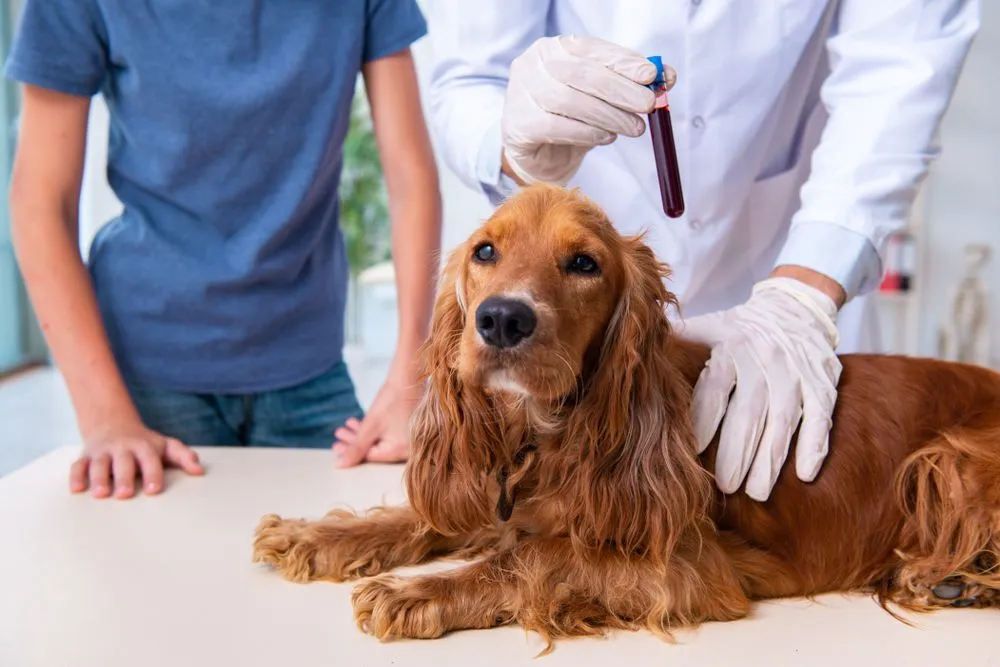
Heartworm testing is straightforward and minimally invasive. A small blood sample is collected, typically during a routine wellness visit, and analyzed using state-of-the-art laboratory methods. Results are usually available quickly, allowing the veterinary team to discuss findings and next steps with pet owners immediately. For pets at higher risk, such as those that spend significant time outdoors or in mosquito-prone areas, regular annual testing is recommended to maintain protection.
Integrating Detection with Preventive Care
Testing is most effective when paired with a consistent heartworm prevention program. Preventive medications are highly effective at stopping heartworm larvae from maturing into adult parasites, protecting pets from infection even when exposed. Annual testing ensures that preventives are working as intended and that any breakthrough infections are identified early. Veterinarians can tailor preventive strategies to each pet’s lifestyle, ensuring the highest level of protection year-round.
For pet owners in Allen, TX, staying current with the latest heartworm testing techniques is a vital step in safeguarding pets’ health. Animal Hospital of Collin County provides comprehensive testing, prevention, and treatment guidance to keep dogs and cats safe from heartworm disease. To schedule a heartworm testing appointment or discuss preventive care options, contact Animal Hospital of Collin County at (972) 727-5748 today.